Compare Local Contractors for Poured Concrete Installation
Compare local contractors for poured concrete installation to define project scope, verify experience, and establish clear expectations in writing for a successful outcome.
Poured concrete installation services typically cover a range of projects including driveways, sidewalks, patios, foundations, and flooring. These projects involve preparing the site, setting forms, pouring the concrete, and finishing the surface to meet specific functional and aesthetic requirements. Understanding the scope of work helps property owners communicate their needs clearly to contractors, ensuring that all aspects-from material choices to surface textures-are addressed appropriately. Clarifying what is included in the project upfront helps prevent misunderstandings and sets a solid foundation for the work to be completed as expected.
Defining the scope of a poured concrete project is essential for establishing clear expectations and ensuring the work aligns with the property owner’s goals. This process involves detailing the size, shape, finish type, and any additional features such as decorative elements or reinforcement. When scope is well-defined, property owners can better evaluate the experience and capabilities of local contractors, as well as compare their approaches to similar projects. Having a written outline of the scope also provides a reference point for discussions and any necessary adjustments during the project, promoting transparency and accountability.
Property owners seeking poured concrete installation services can compare local contractors by examining their experience with similar projects, verifying references, and reviewing their portfolio of completed work. It’s helpful to ask contractors about their process, including site preparation, finishing techniques, and how they handle potential challenges. Comparing how contractors define project scope and what they include in their proposals can reveal differences in approach and professionalism. By focusing on the contractor’s ability to understand and deliver on the specified scope, property owners can make more informed decisions and choose service providers who are well-equipped to meet their project requirements.
Compare local contractors by outlining project priorities, verifying experience, and setting clear expectations in writing.
- Verify Experience and Credentials - Ensure contractors have relevant experience in poured concrete installation to meet project requirements.
- Define Project Scope Clearly - Outline specific details of the work to help contractors provide accurate proposals and avoid misunderstandings.
- Compare Local Contractors - Review multiple service providers to evaluate their expertise, reputation, and approach to similar projects.
- Document Expectations in Writing - Establish and agree upon project scope, materials, and responsibilities through detailed written agreements.
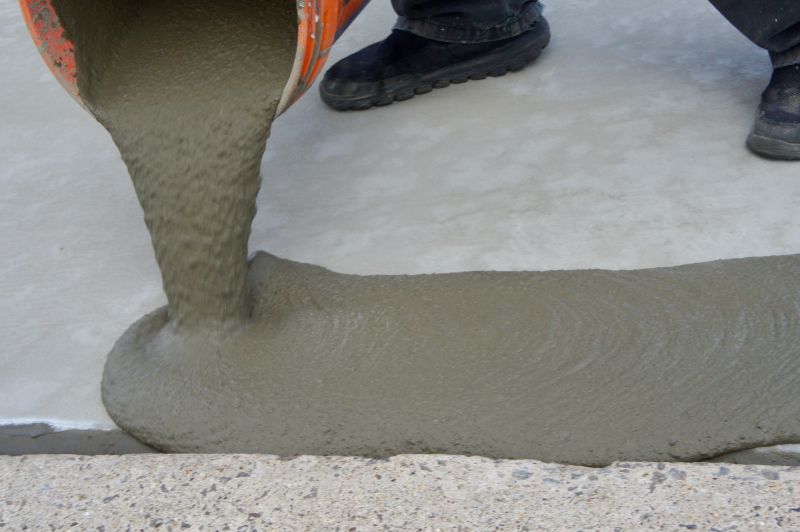
Clearly describe your poured concrete project to compare local contractors, verify experience, and set written expectations.
- Verify experience with poured concrete installation to ensure familiarity with the specific project scope. - Look for service providers who can clearly define the extent of work and materials involved in the project.
- Compare contractor credentials and references to assess their track record with similar poured concrete jobs. - Ensure that local contractors have a history of quality workmanship and reliable project completion.
- Discuss and document project specifications, including thickness, reinforcement, and finish type, in written agreements. - Clear documentation helps set expectations and minimizes misunderstandings during the project.
- Ensure contractors evaluate site conditions, such as soil stability and drainage, before beginning work. - Proper assessment of site factors can impact the longevity and quality of the poured concrete.
- Ask about the contractor’s process for preparing the site and setting forms to ensure proper foundation and shape. - Proper form setting and site prep are essential for achieving the desired concrete finish and durability.
- Review the scope of work to confirm what is included and excluded, avoiding scope creep or surprises later. - A detailed scope helps ensure all parties have aligned expectations for the poured concrete installation.
Compare local contractors, clarify project scope, verify experience, and document expectations to ensure a successful poured concrete installation.

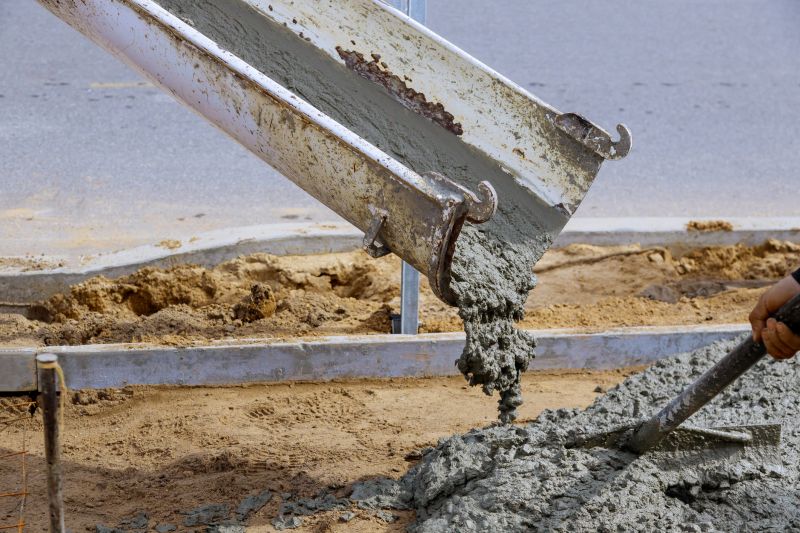
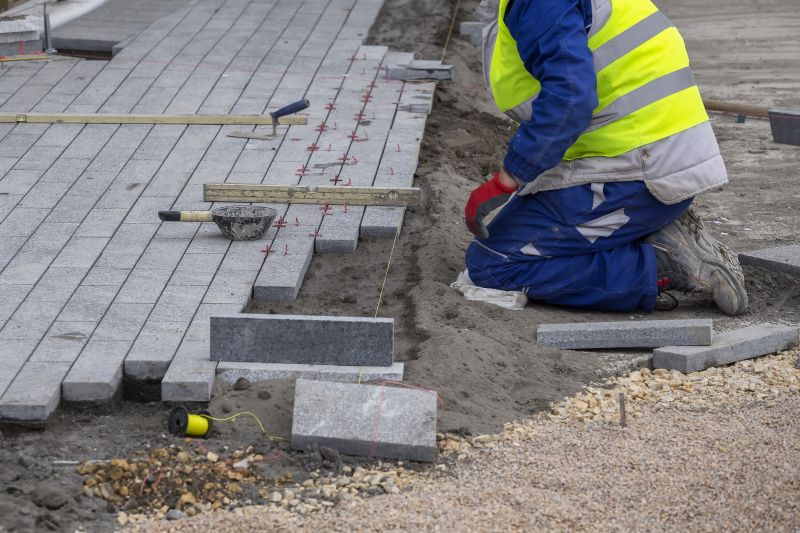
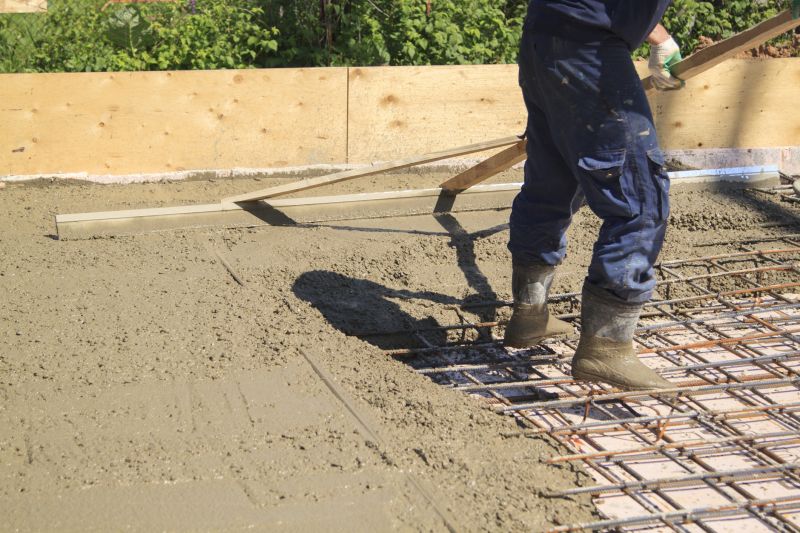
Learn how to compare scope, verify experience, and set clear expectations with local contractors for poured concrete installation.
- Scope Definition - Clearly outline the specific areas and surfaces where poured concrete will be installed.
- Material Specifications - Specify the type and quality of concrete mix to be used for the project.
- Preparation Requirements - Identify necessary site preparations, including formwork, reinforcement, and subgrade conditions.
- Workmanship Standards - Detail expectations for surface finish, joint placement, and curing procedures.
- Documentation & Agreements - Ensure scope, materials, and expectations are documented in a written agreement with local contractors.
When comparing contractors for poured concrete installation, it’s important to evaluate their experience with similar projects. Homeowners should inquire about the types of concrete work the service providers have completed, such as driveways, patios, foundations, or slabs. Understanding a contractor’s background with projects comparable in scope and complexity helps gauge their familiarity with the specific requirements and challenges that might arise. This focus on relevant experience can contribute to a smoother process and a result that meets expectations.
A clear, written scope of work is essential when assessing potential contractors. Homeowners should seek detailed descriptions of the services included, such as surface preparation, formwork, reinforcement, pouring techniques, finishing, and curing. Having a comprehensive scope in writing helps prevent misunderstandings and ensures that both parties share a common understanding of what the project entails. It also provides a basis for evaluating whether the contractor’s proposed approach aligns with the project’s needs and standards.
Verification basics involve confirming that contractors have a track record of completing similar projects successfully. Homeowners can ask for references or examples of completed work, and verify that the service providers have relevant experience in poured concrete installation. It is also helpful to review any available documentation that demonstrates a history of reliable work, such as project summaries or client feedback. This process helps establish confidence in the contractor’s ability to deliver quality results on the specific type of project involved.
Evaluating options without focusing on prices involves examining how each contractor plans to approach the work and how well their proposals align with the project’s scope. Homeowners should consider the clarity of the contractor’s communication, the level of detail in their proposal, and their responsiveness to questions. Comparing the scope of work, experience, and professionalism of each service provider can help identify the most suitable match for the project. This approach ensures the selection process emphasizes quality and compatibility rather than cost alone.
Ask contractors to provide written scope details to ensure clear expectations and consistent project understanding.
- Experience and Expertise - What specific experience do the local contractors have with poured concrete installation?
- Scope of Work - How do the contractors define and clarify the scope of the poured concrete project?
- Material and Finish Options - What materials and finishes do the service providers typically recommend for poured concrete?
- Project Expectations - How do local contractors communicate project expectations and ensure alignment before starting work?
- Comparison Factors - What criteria should be used to compare the qualifications and approaches of different poured concrete service providers?
How can I compare contractors for poured concrete installation? To compare local contractors, review their experience, verify references, and assess their scope of work to ensure they meet project needs.
What should I clarify when defining the scope of a poured concrete project? Clearly outline the size, thickness, finishing details, and any additional features to set proper expectations with contractors.
How do I verify a contractor’s experience with poured concrete installation? Ask for examples of previous projects, check references, and confirm their familiarity with the specific type of poured concrete work needed.
Why is it important to get everything in writing? Having a detailed written agreement helps prevent misunderstandings, clarifies project scope, and sets expectations for the work to be completed.
What questions should I ask contractors about their process? Inquire about their preparation methods, materials used, finishing techniques, and how they handle potential issues during installation.
How can I ensure the contractor understands my project requirements? Communicate your project details clearly, ask for their input, and confirm that they can meet your specifications before work begins.
By reviewing the information provided, visitors gain an understanding of the importance of clearly defining project scope, verifying the experience of service providers, and setting expectations in writing when seeking poured concrete installation. This approach helps ensure that the process of selecting a contractor is informed and organized, making it easier to compare options and find a suitable match for the project’s needs.
Utilizing the quote form allows visitors to connect with local contractors who can handle poured concrete installation, making it simple to explore available options and gather the details needed to make an informed decision. Taking this step can help streamline the process of finding experienced service providers in the area.